Gardener Mottingham — Recycling and Sustainability
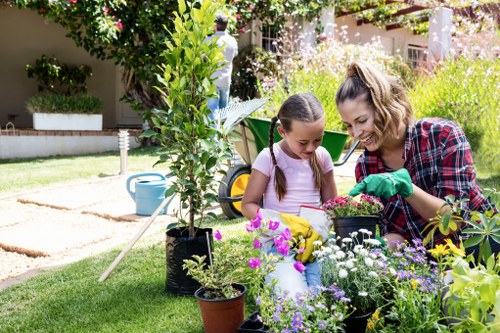 At Gardener Mottingham we design an eco-friendly waste disposal area and a resilient, sustainable rubbish gardening area that supports circular resource use across local green spaces. Our approach aligns with borough waste separation schemes, emphasising separate streams for garden green waste, food recycling and dry recyclables so compostable material is diverted from landfill and repurposed back into soil. This page outlines our targets, local resource routes and partnerships that make low-carbon garden waste management practical for Mottingham and neighbouring neighbourhoods.
We have set a clear recycling percentage target to drive continuous improvement: a 70% recycling and reuse rate by 2030 for garden and household green waste collected through our services. That target covers primary streams including green garden cuttings, woody pruning residues, leaf litter, and compostable kitchen waste when collected with garden projects. Meeting this target means reducing landfill-bound material, increasing compost production, and supporting local soil improvement projects.
 Our operational model integrates with local transfer stations and materials recovery facilities, ensuring an efficient route from kerbside or drop-off to processing. We work within the boroughs' approaches to waste separation—where councils collect separated garden waste, food scraps and mixed dry recycling—so our collections complement rather than duplicate municipal services. Key pathways include local transfer stations run by boroughs and private operators that consolidate loads for municipal composting and anaerobic digestion.
Creating an effective sustainable rubbish gardening area on site also means designing for separation at source. Every project includes dedicated bins and clear labelling so soil, woodchip, cardboard plant tags, plastic pots and organic waste can be sorted easily. We provide training for teams and volunteers on what belongs in each stream, with practical signage that matches borough guidance to avoid contamination. A low-contamination stream increases the value and usability of recycled outputs.
 We operate a mixed fleet of low-carbon vans for collections and site visits: a growing number of fully electric vans, supplemented by plug-in hybrids where range or load requirements demand it. Our logistics planning minimises trips through route optimisation and cargo consolidation. Strong fuel and emissions policies mean our low-carbon delivery vehicles are part of how Gardener Mottingham reduces the carbon footprint of green waste transport and supports a low-emission local economy.
To amplify impact, we partner with local charities and community organisations to give material a second life. Partnerships include community composting initiatives, food redistribution groups for surplus produce from edible gardens, and reuse charities that can accept usable pots, tools and non-contaminated timber. These collaborations turn what could be waste into community resources and training opportunities while supporting circular economy goals.
 Our practical recycling activities reflect the types of separation encouraged by nearby boroughs: separate containers for green bin fines, weekly or fortnightly food waste collections destined for anaerobic digestion, and dry mixed recycling for plastics, paper and metals. When councils run seasonal green waste collections we coordinate to collect extra volumes from large site clearances and channel them to permitted composting facilities or local transfer stations to keep processing local and low-carbon.
We maintain clear records and reporting so progress toward the recycling percentage target is transparent. Monthly dashboards track tonnes diverted, proportions sent to composting versus reuse, and vehicle emissions saved by using low-carbon vans. By publishing aggregated results, Gardener Mottingham encourages community confidence in our green waste recycling performance and invites local projects to adopt similar standards.
 Practical on-the-ground measures include:
- On-site segregation for compostables, woody residues and recyclables to reduce contamination.
- Use of community transfer points to consolidate material bound for municipal and commercial composting facilities.
- Donation streams to local reuse charities for usable garden equipment and hardscape materials.
- Fleet decarbonisation targets that prioritise fully electric vans for short urban rounds.
Beyond operational change, we emphasise soil health and closed-loop systems: high-quality compost from diverted green waste returns nutrients to the same sites it came from, reducing the need for synthetic inputs. This not only supports plant health and biodiversity but also locks carbon back into the soil, aligning gardening practice with wider sustainability objectives. Gardener Mottingham aims for measurable environmental benefits, not just tidy spaces.
We also support local education campaigns with borough recycling teams and community groups, helping residents and clients understand the simple sorting steps that enable higher recovery rates. These efforts are consistent with borough-level messaging on waste separation and help reduce contamination, increase compost yields and improve the economics of green waste processing.
In summary, our eco waste disposal area and sustainable rubbish gardening strategies combine operational discipline, carefully chosen partners, and low-carbon logistics to meet an ambitious recycling target. By integrating with local transfer stations, partnering with charities for reuse, and investing in electric and hybrid vans, Gardener Mottingham is building a practical, local model for garden waste circularity that supports healthier soils, stronger communities and lower emissions.