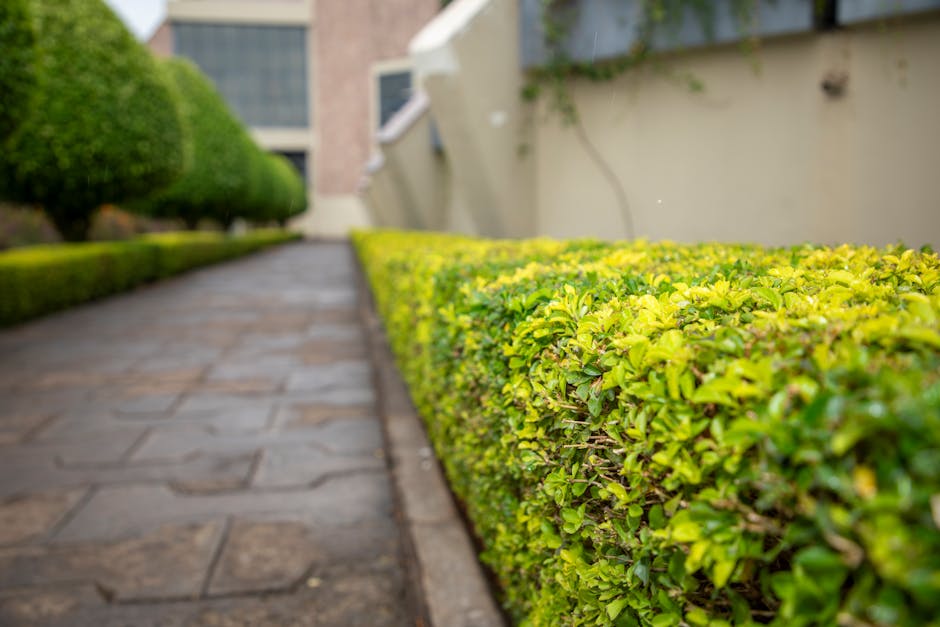
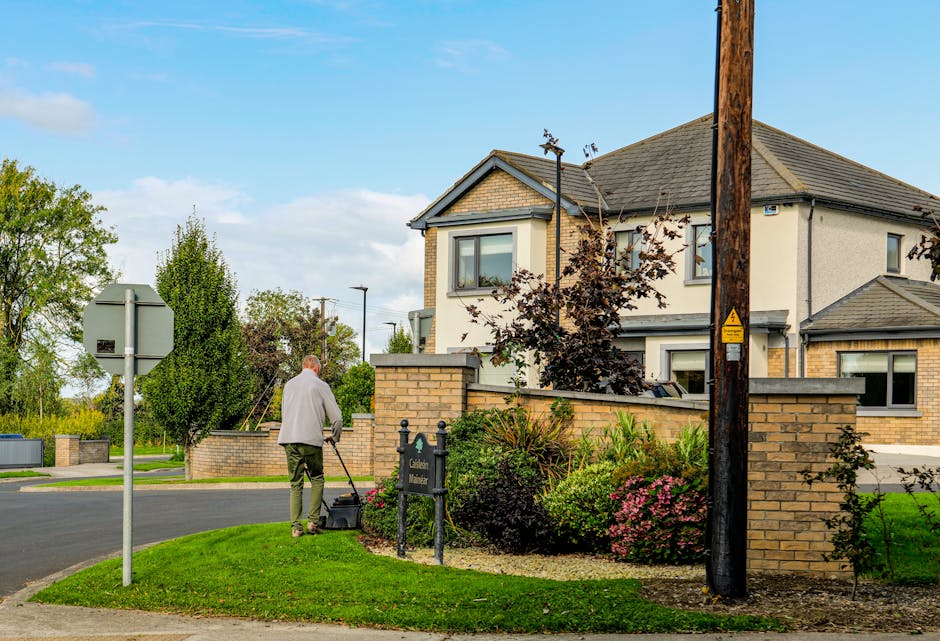
Garden maintenance for Court Road Mottingham flats
If you live in a flat on Court Road in Mottingham, you already know the little garden spaces around apartment buildings can be surprisingly high-maintenance. One windy week and the borders look tired, the lawn gets shaggy, leaves gather in corners, and suddenly the whole place feels neglected. Garden maintenance for Court Road Mottingham flats is really about keeping those shared and private outdoor areas tidy, safe, and pleasant without creating hassle for residents or managers.
This guide breaks down what proper maintenance involves, how it usually works in practice, what to watch out for, and how to choose the right approach for a flat or small residential block. We'll keep it practical. No fluff. Just the things that actually matter when you're trying to keep a communal garden looking cared for rather than forgotten.
Table of Contents
- Why it matters
- How it works
- Key benefits and practical advantages
- Who this is for and when it makes sense
- Step-by-step guidance
- Expert tips for better results
- Common mistakes to avoid
- Tools, resources and recommendations
- Law, compliance, standards, or best practice
- Options, methods, or comparison table
- Case study or real-world example
- Practical checklist
- Conclusion
- Frequently asked questions
Why Garden maintenance for Court Road Mottingham flats Matters
Flats bring a different kind of garden responsibility. A single house garden is one thing; a shared space for several households is another. You're not just trying to make things look neat. You're managing a small outdoor environment that affects first impressions, property value, resident satisfaction, and day-to-day safety.
In a place like Court Road, where flats often have compact front areas, communal strips, boundary planting, or tucked-away rear gardens, maintenance tends to be noticed fast. A trimmed hedge or clean path says the building is looked after. Overgrown edges, mossy paving, and bins hidden behind long grass say the opposite. People notice. Visitors notice. And, truth be told, neighbours notice too.
There's also the practical side. Gardens around flats can become awkward if they are left too long between visits. Weeds spread quickly, damp patches linger, bins attract clutter, and hedge growth can reduce light into ground-floor rooms. The longer you leave it, the more work it takes to get back on top of it. That's usually how these things go.
If the garden area is shared, maintenance also helps reduce complaints and confusion. Everyone has a different idea of what "tidy" looks like, so a clear routine matters. Regular visits keep expectations aligned and avoid the classic situation where one resident thinks it is fine, another thinks it is a jungle, and the managing agent is stuck in the middle.
Expert summary: For flats, maintenance is less about occasional tidying and more about rhythm. Regular, modest upkeep is almost always easier, cleaner, and cheaper than reactive clearance after things have gone a bit wild.
How Garden maintenance for Court Road Mottingham flats Works
Garden maintenance for a flat block is usually carried out as a scheduled service, often weekly, fortnightly, or seasonally depending on the size and condition of the outdoor space. The work is tailored to the site. A small communal patch needs a different plan from a block with hedges, borders, and a lawn that gets a lot of foot traffic.
At a basic level, the service may include lawn mowing, edging, weeding, hedge trimming, pruning, leaf clearance, green waste removal, and light tidy-ups around paths and borders. More involved jobs can include garden clearance, restoring neglected areas, or combining maintenance with landscaping improvements. If a garden has become seriously overgrown, it often makes sense to start with garden clearance before moving to a regular routine.
For flat properties, the process often begins with a walkaround. That sounds obvious, but it matters. A good contractor will look at access points, parking, water use, boundaries, resident movement, and any delicate areas such as young planting, decking, or shared seating. If the garden connects with a decked area, the team may also suggest checking the condition of the decking services side of things so the whole space stays coherent rather than half cared for and half ignored.
Maintenance then becomes a cycle. The team turns up, works methodically, removes waste responsibly, and leaves the area in a tidy state. Simple enough in theory. In practice, good communication makes a huge difference. Residents want to know when access is needed, what areas will be worked on, and whether anything fragile should be moved in advance.
One thing people sometimes miss is that garden maintenance is not always just about plants. It is also about the experience of using the space. A pathway free of debris, a neat hedge line, and a lawn that actually looks intentional can completely change how a building feels.
Key Benefits and Practical Advantages
There are the obvious benefits, and then there are the quieter ones that make day-to-day life easier.
- Better kerb appeal: A neat outdoor area gives the building a calmer, more cared-for appearance.
- Safer access: Clear paths and controlled growth reduce trip hazards, blocked sightlines, and slippery buildup.
- Less resident friction: Regular upkeep avoids the "who is responsible for this mess?" conversations.
- Healthier planting: Seasonal pruning and weeding help shrubs, borders, and lawns stay in better condition.
- Lower long-term workload: Small, frequent visits are usually easier than infrequent major catch-up jobs.
- Better use of space: A maintained garden is more likely to be used, not just viewed from a window.
There is also a financial angle, even if people do not always say it out loud. A well-kept communal garden often helps a block present better to visitors, letting agents, and potential buyers. That does not mean it transforms a property overnight, of course. But it does remove visual noise. And sometimes that is exactly what a place needs.
If you are comparing wider property improvements, maintenance can be paired with broader works through landscaping or lighter upgrades through landscape gardening. Not every garden needs redesigning. Sometimes it just needs someone to stop it sliding downhill.
Who This Is For and When It Makes Sense
This service is a strong fit for anyone responsible for a flat garden area or shared outdoor space in or near Court Road, Mottingham. That might include freeholders, leaseholders, resident associations, landlords, property managers, or even tenants who have taken on a practical responsibility informally because no one else has.
It makes particular sense if:
- the garden is shared by several flats
- the space is visible from entrances or street level
- the garden grows quickly and looks messy after just a few weeks
- residents have different expectations about upkeep
- the block has limited storage for tools
- nobody has the time or energy to do it properly
It also makes sense after a period of neglect. If a garden has been left over winter, or if it has been a while since the last serious tidy-up, a one-off visit can reset the space. After that, a maintenance schedule keeps things under control. That steady approach is usually kinder on plants and kinder on budgets, which is no bad thing.
For some flat blocks, hedge growth is the main issue. In that case, a service focused on hedge trimming may be the most urgent starting point. For others, the lawn is the problem, and lawn mowing is the first job that makes everything feel manageable again.
Step-by-Step Guidance
If you want to approach garden maintenance in a sensible way, this is the simplest route.
- Assess the current state of the garden. Look at lawn height, weed spread, hedge density, leaf build-up, broken branches, and access issues.
- Decide what kind of service you need. Is this a regular maintenance plan, a one-off tidy-up, or a major reset?
- Prioritise safety and access. Check paths, steps, hidden edges, loose items, and any areas residents need to use during the visit.
- Separate essential work from optional improvements. Mowing and clearing are essential. Border redesign or extra planting can wait if needed.
- Agree a frequency. Weekly or fortnightly is common for active spaces; seasonal maintenance may be enough for quieter ones.
- Plan waste removal. Green waste should be collected and removed rather than left in piles. It sounds simple, but it keeps the site tidy.
- Review after the first visit. Check what changed, what still needs attention, and whether the schedule needs adjusting.
A useful rule of thumb: if the garden still looks good a week after the visit, the frequency may be about right. If it looks tired within days, the gap is too long. There is a sweet spot, and it tends to show itself quickly.
When the site needs more than routine care, it may be worth linking maintenance with garden maintenance as part of a wider plan, especially if there are shrubs, seasonal planting, or repetitive clearance needs. That keeps everything joined up instead of doing little bits in isolation.
Expert Tips for Better Results
Small things make a big difference in flat gardens. In our experience, the best results come from consistency rather than big bursts of effort.
1. Keep edges sharp. A lawn can be slightly uneven and still look fine, but if the edging is messy, the whole garden reads as untidy. Humans are funny that way. We notice borders immediately.
2. Don't let hedges get away from you. Once hedge growth becomes too dense, trimming is slower and more disruptive. Regular shaping keeps sightlines open and the work lighter.
3. Work with the seasons. Spring and early summer often need more frequent attention. Autumn brings leaves, damp patches, and a lot of tidying. Winter maintenance can be lighter, but don't ignore drainage and access.
4. Pay attention to access routes. If residents walk through the garden daily, those areas need more care than the decorative corners. It sounds obvious. It often gets missed.
5. Remove waste the same day where possible. Green piles left behind make a tidy job look half-finished. And nobody wants the smell of damp clippings hanging around for days.
6. Keep planting simple if the area is small. Compact garden spaces around flats are usually better served by durable shrubs, controlled borders, and manageable lawn sections than by complicated planting schemes that need constant fuss.
If you want a low-drama route, build the routine around the space you actually have, not the space you wish you had. That is the trick, really.
Common Mistakes to Avoid
There are a few classic mistakes that keep coming up with flat gardens, and they are very avoidable once you know them.
- Leaving maintenance too long: The work piles up quickly, especially after wet or mild weather.
- Trying to do everything at once: A realistic plan is better than an over-ambitious one that collapses after a month.
- Ignoring resident access: People still need to get in and out safely. Don't block routes without warning.
- Underestimating waste removal: A neat cut is only half the job if bags and clippings are left behind.
- Choosing the wrong frequency: Too little service leads to decline; too much can be unnecessary cost.
- Forgetting hedge and tree work until it becomes urgent: By then, the job is often more disruptive than it needed to be.
One more thing. Do not assume that a garden that "doesn't look that bad" is actually fine. You can get away with that for a week or two. Then the weeds start sending out little invitations to every other weed on the site. Nature is persuasive like that.
If larger woody growth or safety issues are part of the picture, consider whether tree lopping and removal is relevant, especially where branches are affecting light, access, or nearby structures. That kind of work should be approached carefully and only where genuinely needed.
Tools, Resources and Recommendations
For anyone managing a flat garden, the right tools matter less than the right system, but both help. A good contractor will usually arrive with commercial-grade mowing equipment, hand tools for weeding and pruning, edging tools, waste bags, and the know-how to use them without tearing up the space.
For in-house or light-touch maintenance, a few practical basics are helpful:
- secure storage for small hand tools
- a hose or water source if planting beds need occasional watering
- clear bins or compost/waste arrangements
- simple seasonal notes on what needs attention and when
- resident contact details for access or issue reporting
It also helps to keep a small maintenance log. Nothing fancy. Just a record of when mowing, hedge trimming, and clearance were last carried out. That makes it easier to spot patterns and stop the "has it been done recently?" debate before it starts.
For service planning, it can be useful to review a provider's wider offering. A page like services overview can help you see how maintenance fits alongside clearance, trimming, and other outdoor work. If you are comparing suppliers or planning the budget, pricing and quotes is also worth checking so expectations are clearer from the start.
Law, Compliance, Standards, or Best Practice
Garden maintenance for flats is not usually complicated from a legal point of view, but there are still sensible duties and best practices to follow. Shared residential spaces should be kept safe, accessible, and reasonably well managed. That means taking care with trip hazards, loose debris, unstable branches, and overgrown areas that can make access awkward.
Where work involves tools, ladders, cutting equipment, or waste handling, health and safety matters. Contractors should work in a way that reduces risk to residents, visitors, and themselves. For that reason, it is smart to look at a provider's health and safety policy and their insurance and safety information before agreeing any ongoing work. That is just common sense, really.
Environmental good practice matters too. Green waste should be handled responsibly, and maintenance routines should avoid unnecessary damage to plants or soil structure. If sustainability is important to your building, it is worth asking how waste is dealt with and whether a provider works with recycling and greener disposal methods where appropriate. A brief look at recycling and sustainability can help set expectations.
For resident-facing services, clear communication is also part of good practice. People need to know when work will happen, how access will be managed, and what happens if weather delays the schedule. Small things, yes, but they reduce friction.
Options, Methods, or Comparison Table
There are a few different ways to handle garden upkeep for flat properties. The best option depends on the size of the space, the number of users, and how quickly it changes through the seasons.
| Approach | Best for | Pros | Watch-outs |
|---|---|---|---|
| One-off tidy-up | Overgrown or neglected gardens | Fast reset, useful before a sale or inspection | Does not prevent future decline |
| Regular maintenance | Shared flat gardens and visible communal areas | Consistent appearance, lower long-term stress | Needs a proper schedule and commitment |
| Seasonal visits | Quieter gardens with slow growth | Budget-friendly, simple to arrange | May be too infrequent in mild wet weather |
| Maintenance plus clearance | Sites that have become untidy or overrun | Good for restart and control | More work at the start |
For most Court Road flats, regular maintenance wins because it keeps the garden from ever entering that awkward middle stage where it is not terrible, but not good either. You know the one. It sort of hangs there looking tired.
Case Study or Real-World Example
Take a typical small block with a narrow shared rear garden, a lawn patch, a few shrubs, and a hedge along the boundary. At first glance it does not seem like much. But after a few months without attention, the lawn gets patchy, weeds creep into the edges, and the hedge starts leaning into the path. Residents begin stepping around the same muddy spots, and suddenly the whole area feels narrower than it is.
A sensible maintenance reset would usually start with a full tidy: mow and edge the lawn, remove weeds from borders, trim the hedge back carefully, clear leaves and debris, and remove all waste. After that, a fortnightly or monthly routine keeps the garden stable. The difference is not dramatic in a flashy way. It is calmer than that. The space feels usable again. Light gets back in. The smell of cut grass lingers for an hour or two. The place breathes a bit better.
That is often what people are really buying when they ask for garden maintenance. Not perfection. Just a garden that feels under control.
Practical Checklist
Use this before arranging work or reviewing an existing maintenance plan.
- Have you checked whether the space is private, shared, or managed on behalf of several flats?
- Do you know which tasks are essential and which are optional?
- Is the garden currently in routine condition or does it need a reset first?
- Are access routes clear for residents during the visit?
- Do hedges, lawn areas, and borders all need attention?
- Is waste removal included in the plan?
- Have you agreed how often maintenance should happen?
- Is there a contact person for updates or unexpected issues?
- Does the provider explain safety and insurance clearly?
- Will the schedule be reviewed after the first couple of visits?
If you can tick most of those off, you are in a good place. If not, don't worry. That just means the plan needs a bit more structure.
Get a free quote today and see how much you can save.
Conclusion
Garden maintenance for Court Road Mottingham flats is about more than keeping things neat. It supports safety, presentation, resident comfort, and the long-term condition of the outdoor space. When the work is regular, sensible, and matched to the size of the site, even a modest flat garden can look welcoming and well cared for.
The best results usually come from simple habits: mow before things get shaggy, trim before hedges become a nuisance, clear waste promptly, and keep communication tidy as well. That combination works far better than reactive clean-ups once the garden has already turned into a weekend-long job.
If you are deciding whether to schedule a one-off tidy or commit to regular upkeep, start with the current condition of the space and the amount of use it gets. That will usually point you in the right direction. And if the garden has been left for a while, don't beat yourself up about it. Plenty of flats end up there. The useful part is getting it back on track now.
A well-kept shared garden makes a building feel quieter, friendlier, and more looked after. That's worth doing properly.
Frequently Asked Questions
How often should garden maintenance be done for a flat block?
It depends on the size of the space, how quickly it grows, and how visible it is. Many shared flat gardens benefit from fortnightly or monthly visits, while smaller or slower-growing areas may only need seasonal work. The key is consistency.
What is usually included in garden maintenance for flats?
Common tasks include mowing, edging, weeding, hedge trimming, light pruning, leaf clearance, and removal of green waste. Some sites also need occasional border tidy-ups or more detailed seasonal work.
Is a one-off tidy-up enough?
It can be, if the garden has just become slightly messy and you want to reset it. But if the space is used regularly, a one-off service usually works best as the first step before moving into a routine schedule.
What if the garden is overgrown?
If the space has been neglected for a while, it is usually better to start with clearance rather than ordinary maintenance. Once the garden is back under control, regular visits are much easier to manage.
Can garden maintenance reduce complaints from residents?
Yes, very often. Clear schedules, tidy shared areas, and reliable upkeep help avoid the usual frustration about who is responsible and why the space looks unfinished.
Do small flat gardens really need professional maintenance?
Sometimes yes. Small spaces can actually look untidy faster because every weed, blade, and leaf is visible. Also, not everyone has time, storage, or the right tools to keep on top of it properly.
Should hedge trimming be part of the maintenance plan?
Usually, yes, if hedges are present. Hedges can quickly block light, spill into paths, and make a tidy garden look overgrown even when the lawn is fine. It is one of those jobs that pays off quickly.
What should I ask before booking a provider?
Ask what is included, how often they recommend visits, whether waste removal is covered, how access is handled, and how they manage health and safety. That gives you a much clearer picture than a price alone.
How can I keep costs sensible?
The biggest cost saver is regularity. Small ongoing visits are often cheaper in the long run than letting the site get out of hand and paying for a large recovery job later. Keeping the scope realistic helps too.
Is garden maintenance different from landscaping?
Yes. Maintenance is about keeping an existing garden in good condition. Landscaping is more about changing or improving the layout, structure, or features of the space. They can work together, but they are not the same thing.
What happens to the garden waste?
It should be removed responsibly rather than left behind. Good practice is for the waste to be collected and dealt with as part of the service, especially in shared residential settings where tidy finish matters.
How do I know if my flat garden needs more than maintenance?
If there are broken features, badly placed planting, poor layout, or recurring access problems, then a maintenance plan alone may not be enough. In that case, some light landscaping or a more structured garden improvement plan may make sense.
If you want to understand the people behind the service, you can also read more about the team and the way they approach local work. And if you are ready to talk through your own garden, the simplest next step is to use the contact page and ask for advice based on your exact site.
It's a small thing, really, but a well-kept garden can make coming home feel a bit easier. That matters more than people admit.